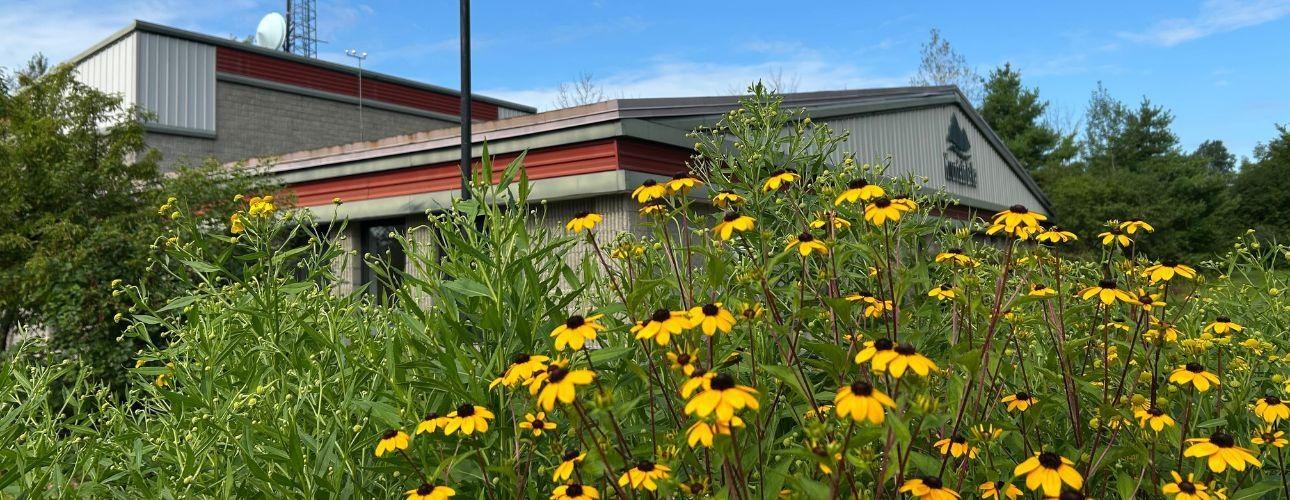
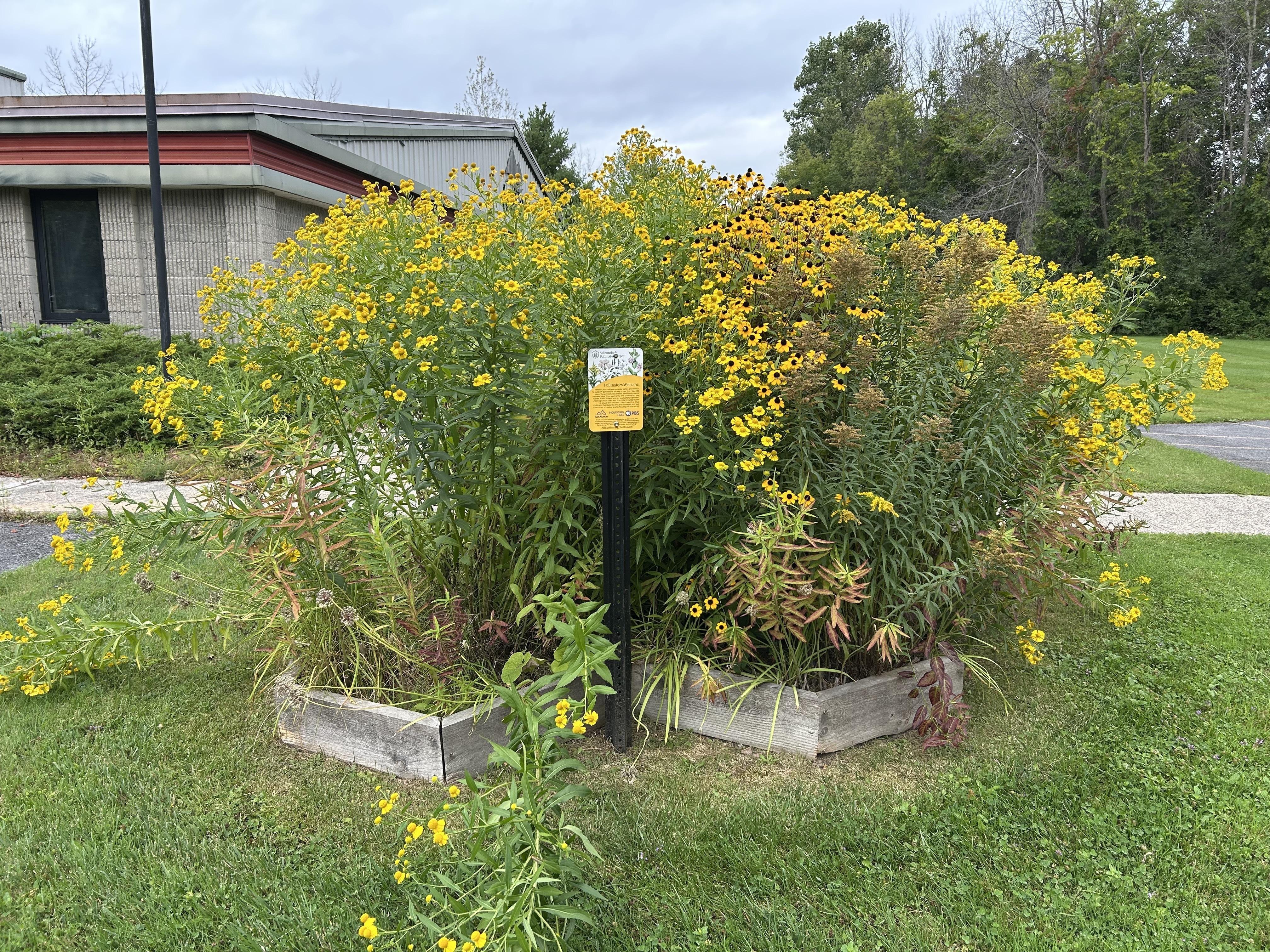
The Mountain Lake PBS Pollination Station is back and blooming in its sixth year on the lawn of 1 Sesame Street—our home base in Plattsburgh, NY.
Each year we tend our garden with love and care, proudly acting as pollinator advocates in our community. The Pollination Station’s four honeycomb shaped garden beds are jam-packed with pollinator-friendly plants, providing food in the summer and shelter during winter for butterflies, birds, and bees.
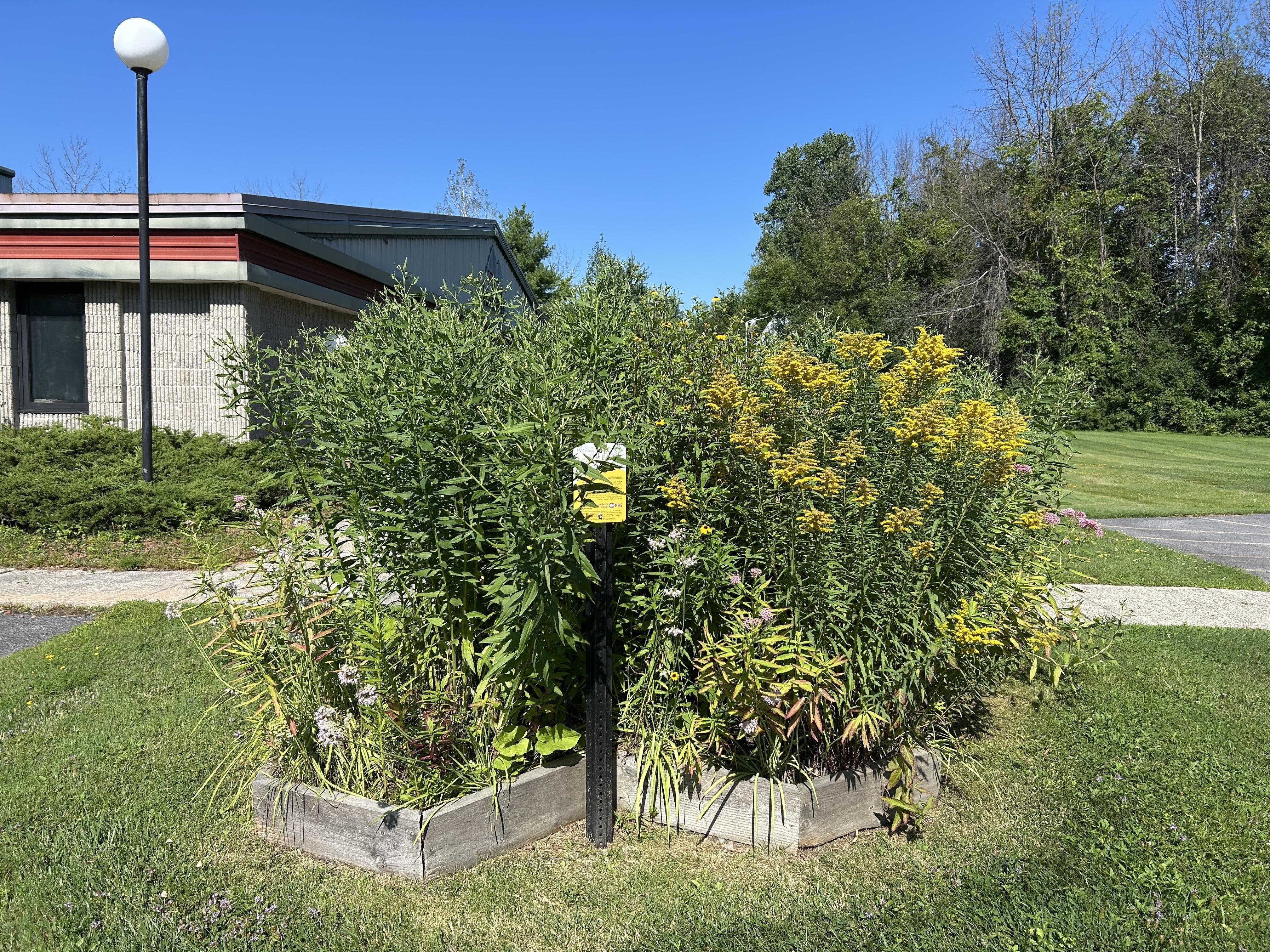
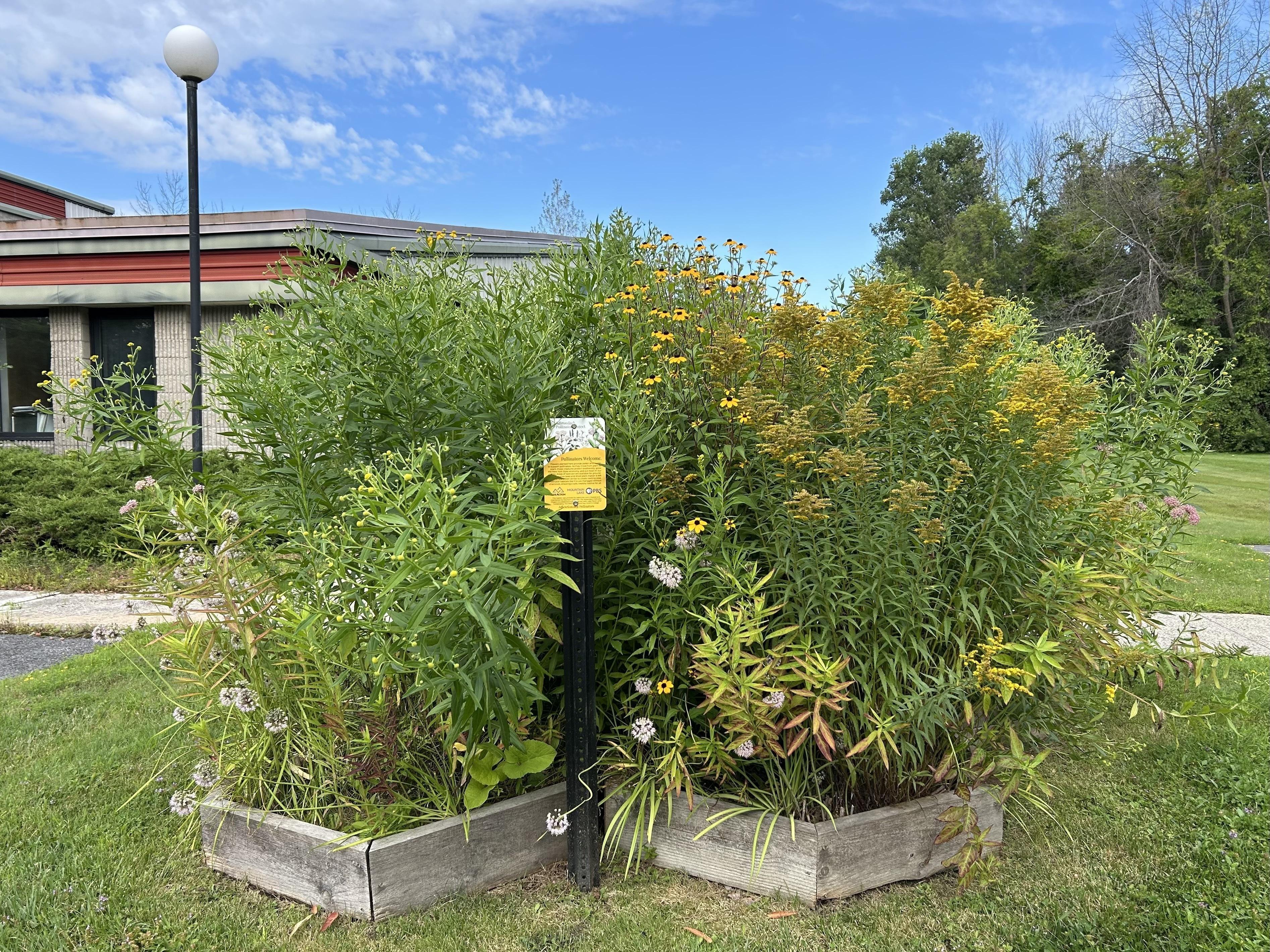
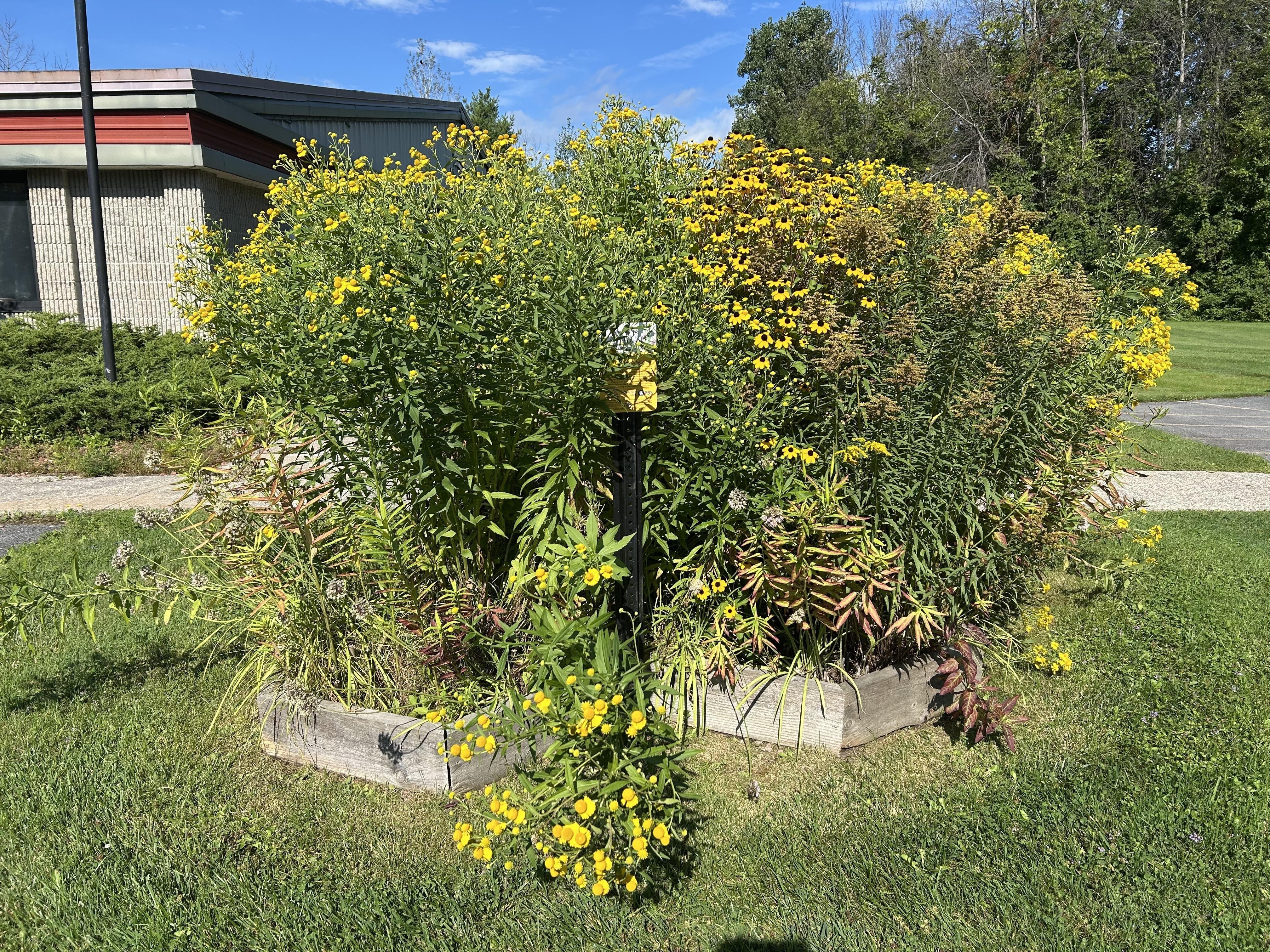
Check Out How the Garden Has Grown!
1 / 4
Share This Gallery
August 5
2 / 4
Share This Gallery
August 12
3 / 4
Share This Gallery
August 26
4 / 4
Share This Gallery
September 2
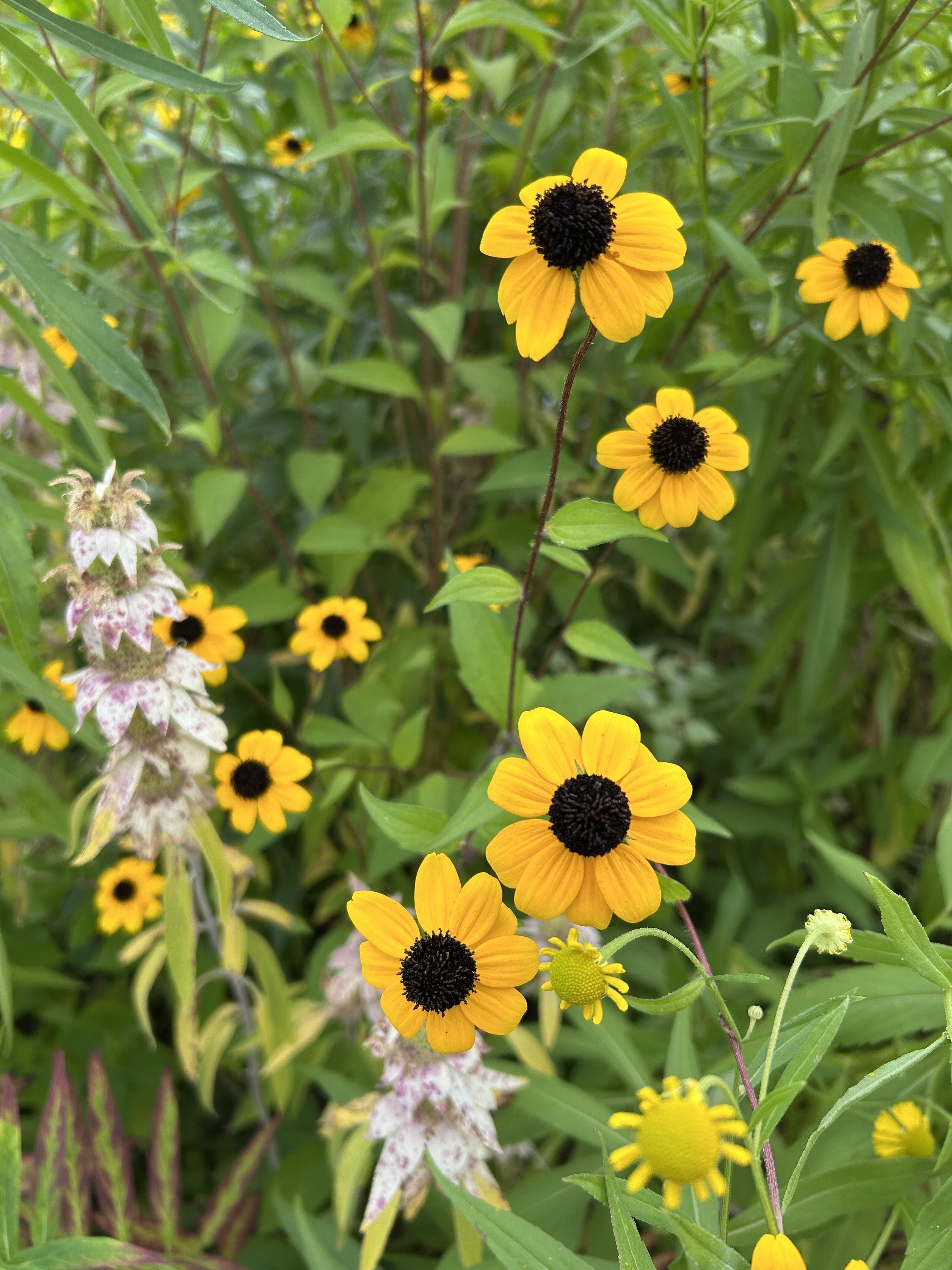
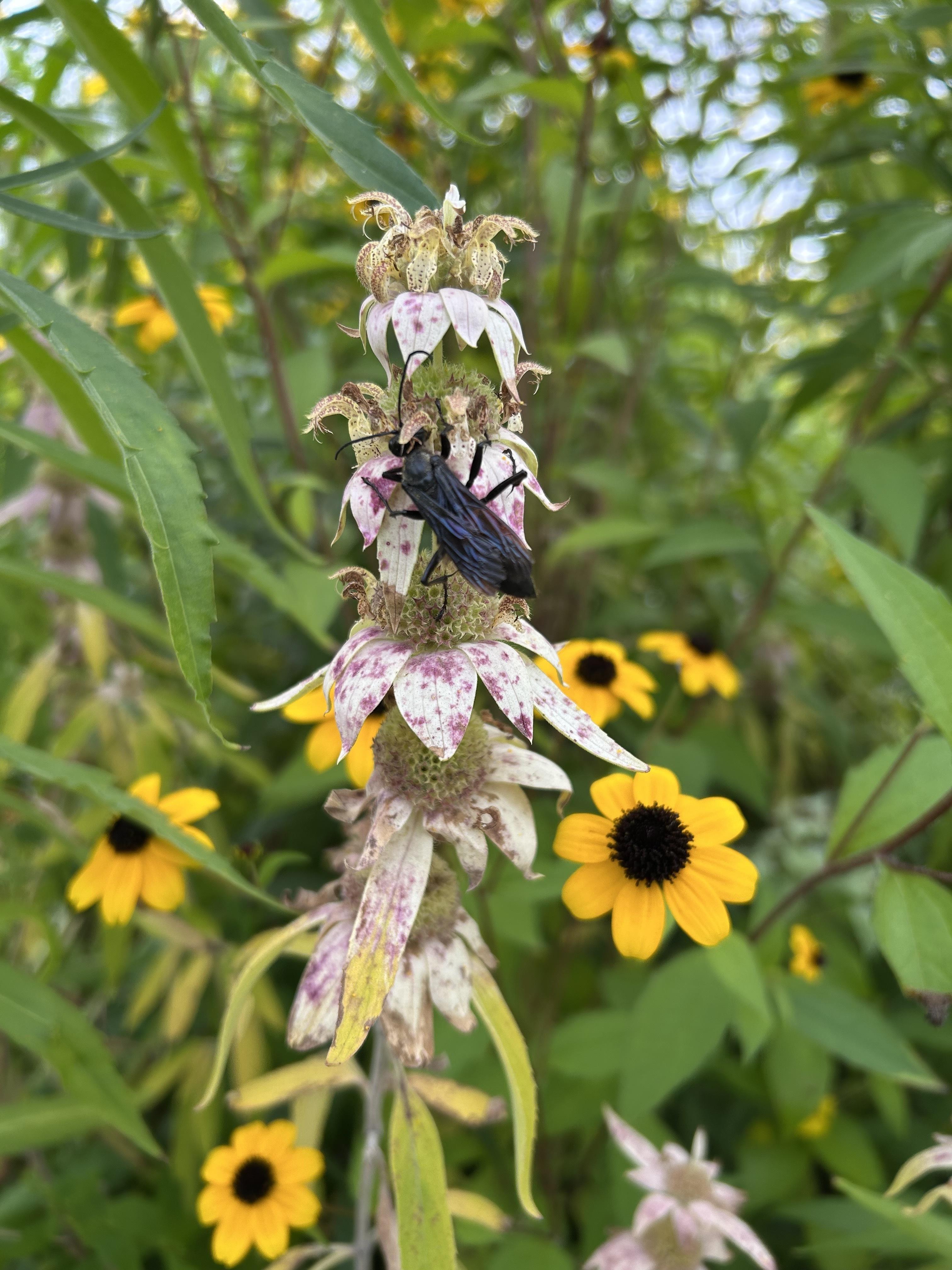
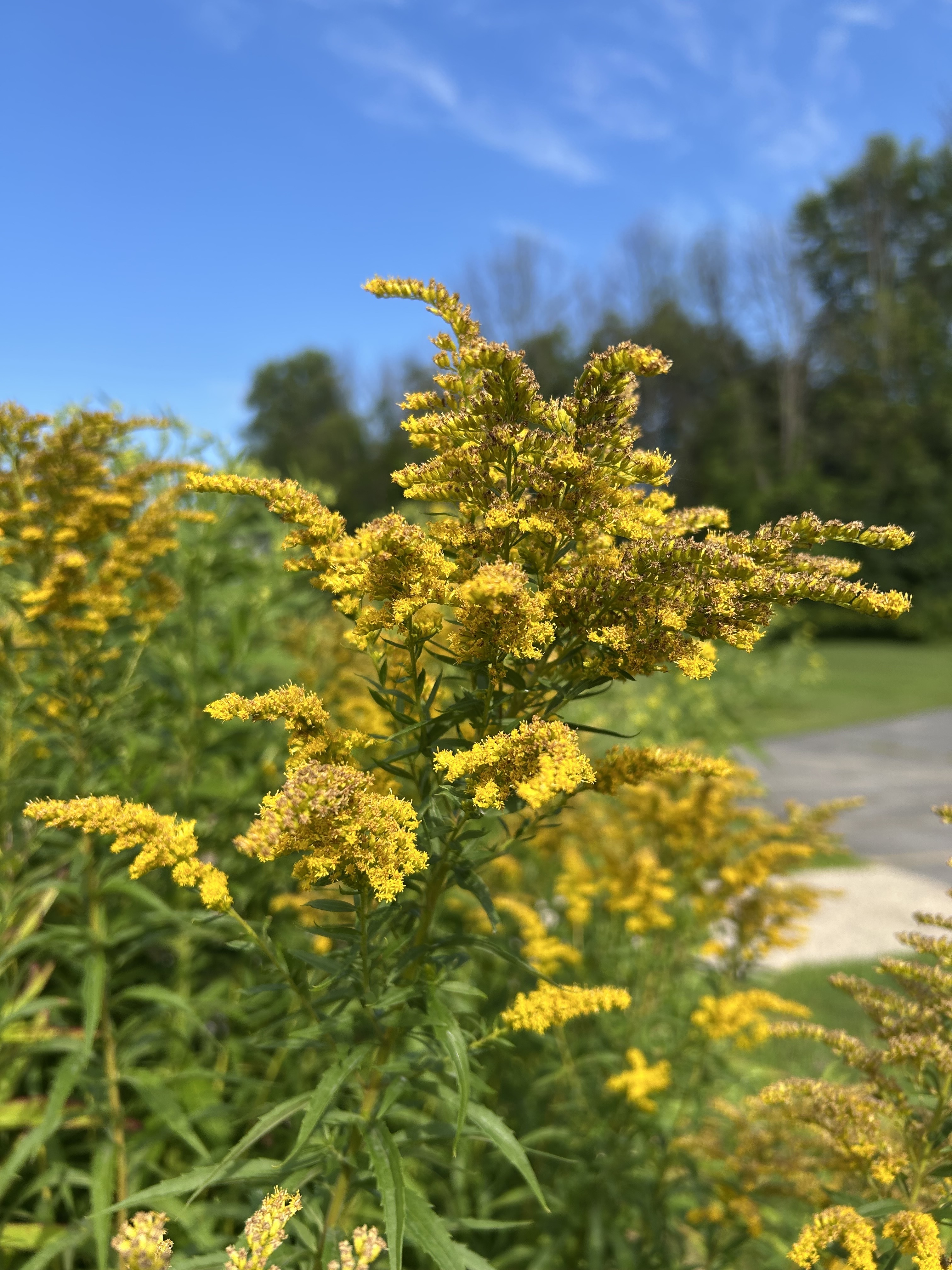
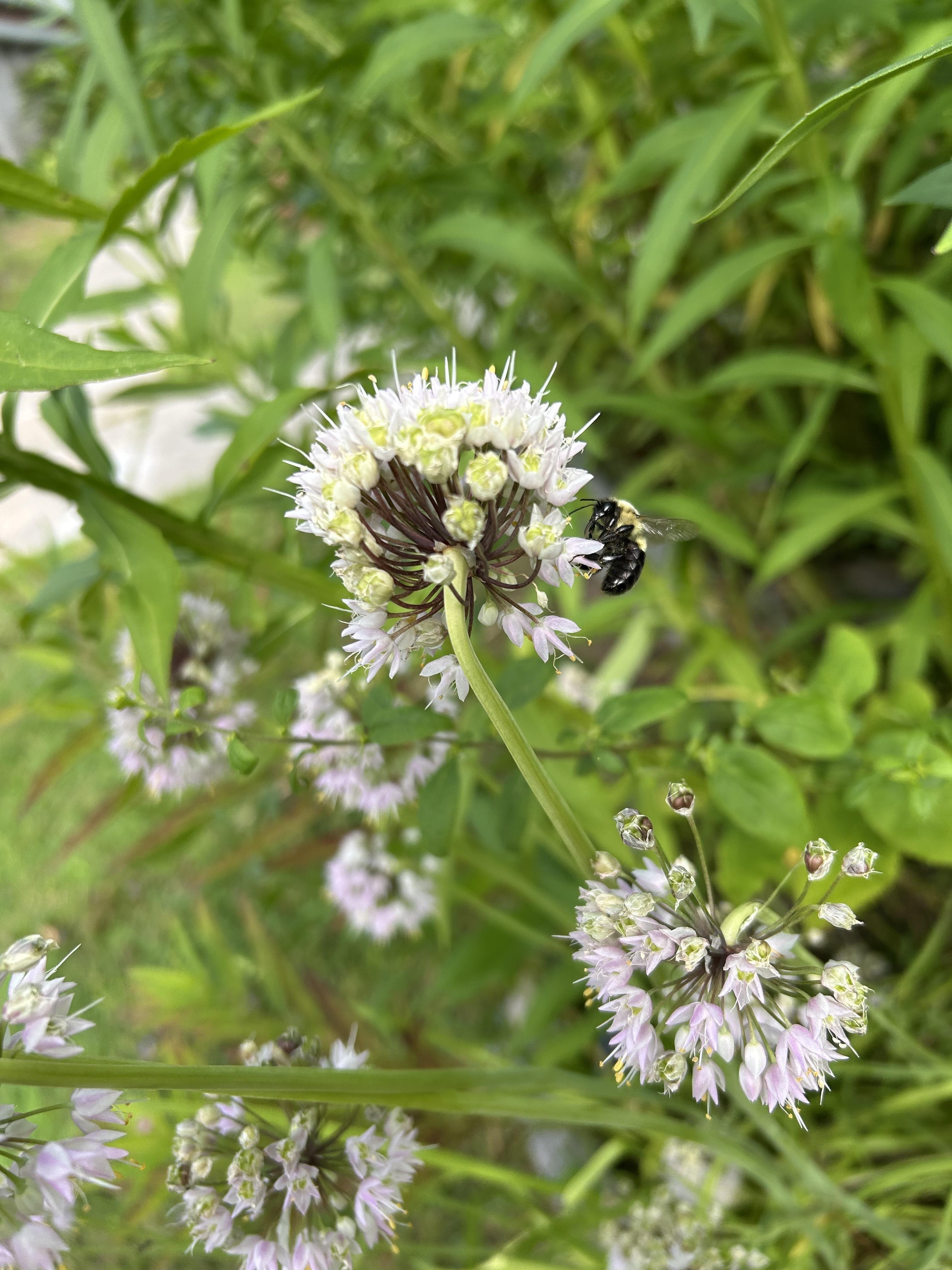
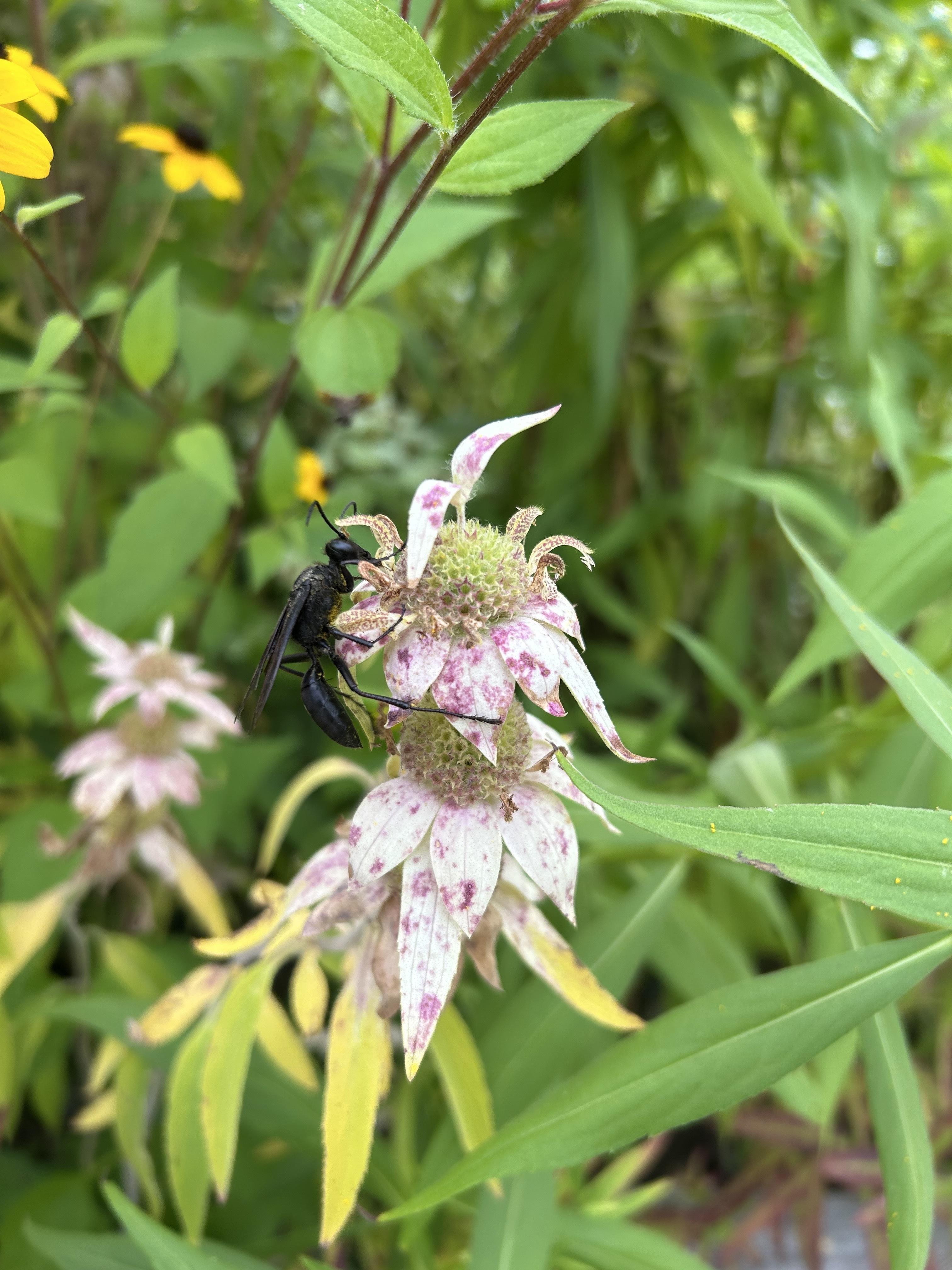
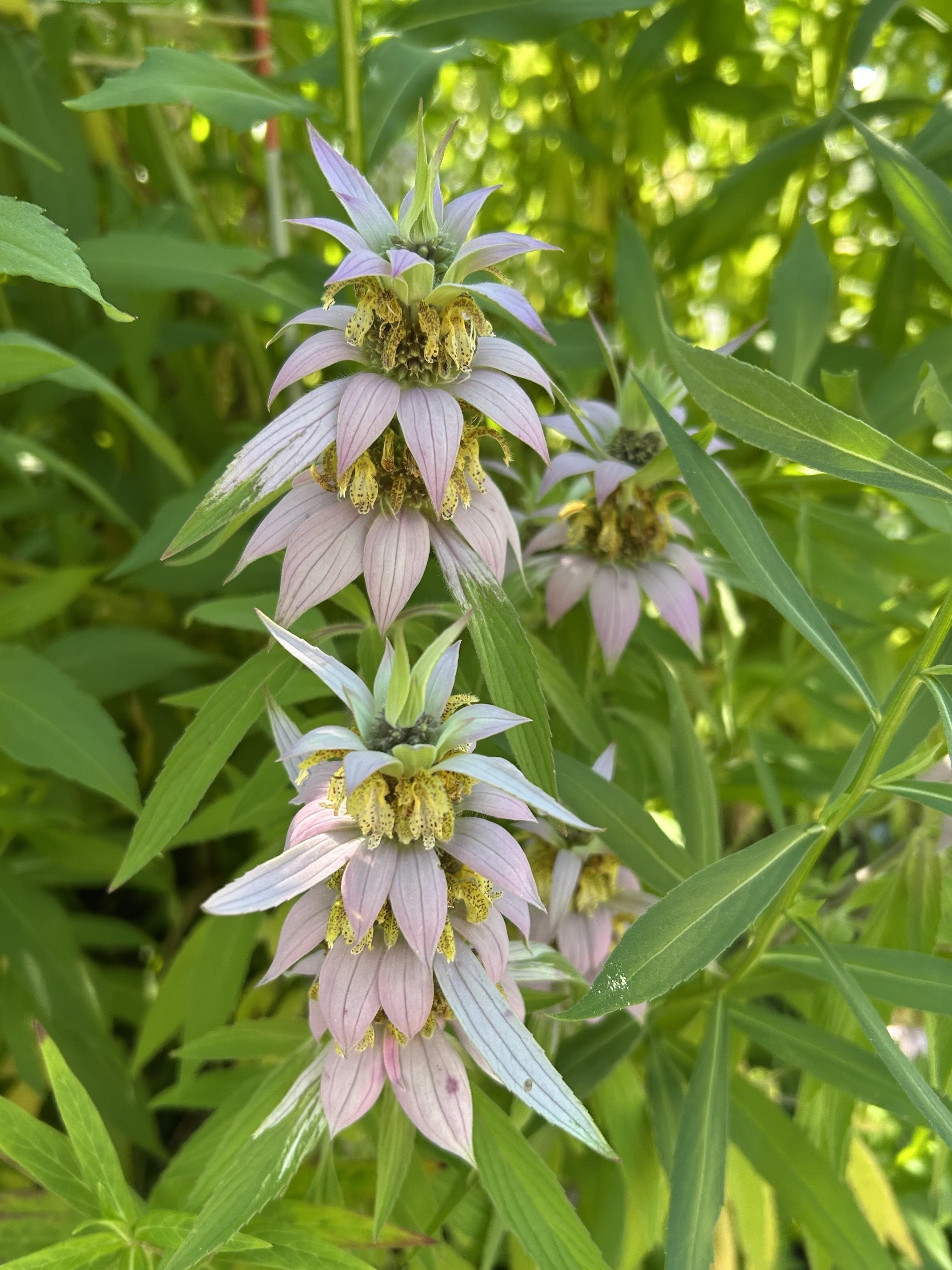
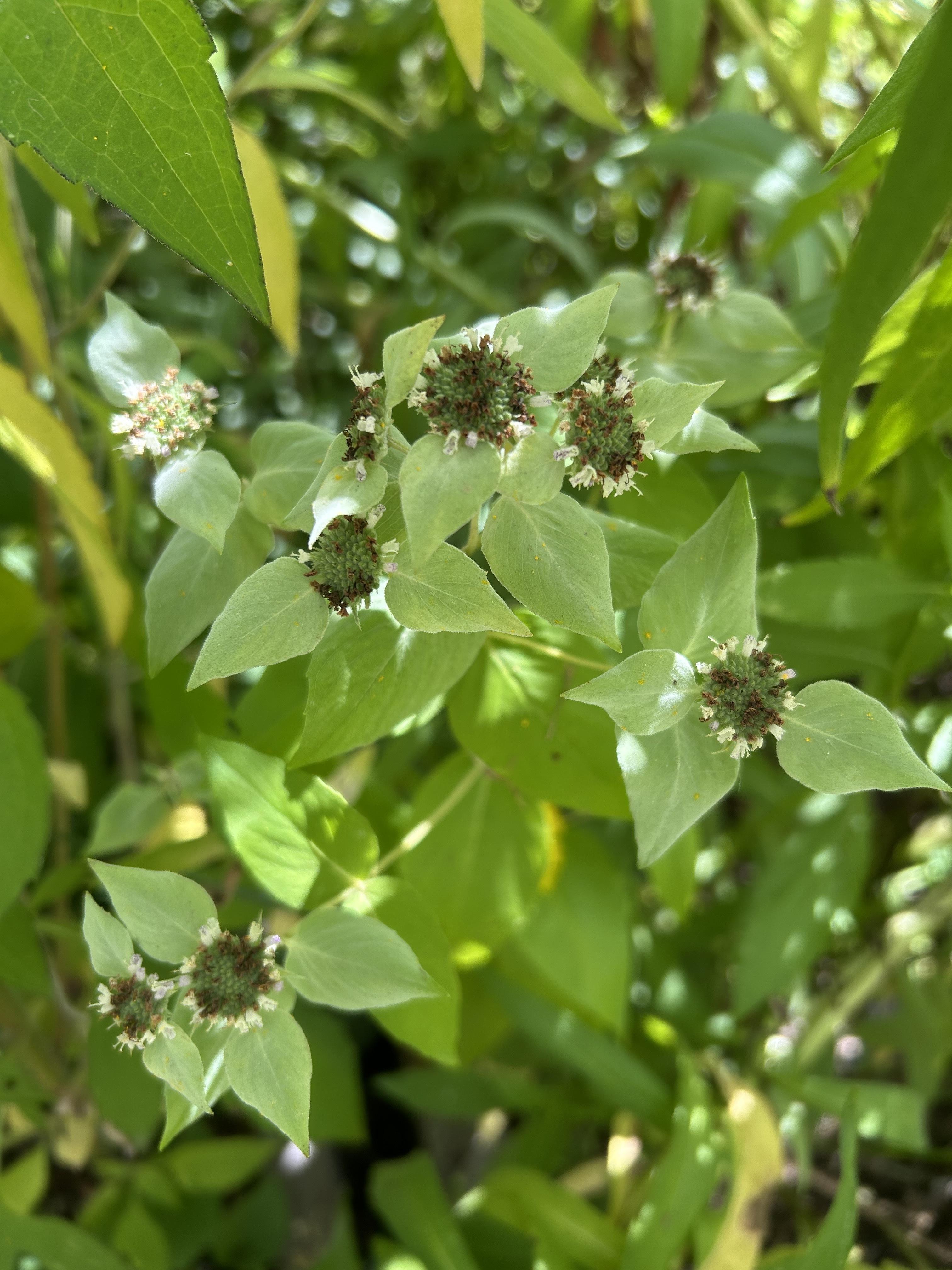
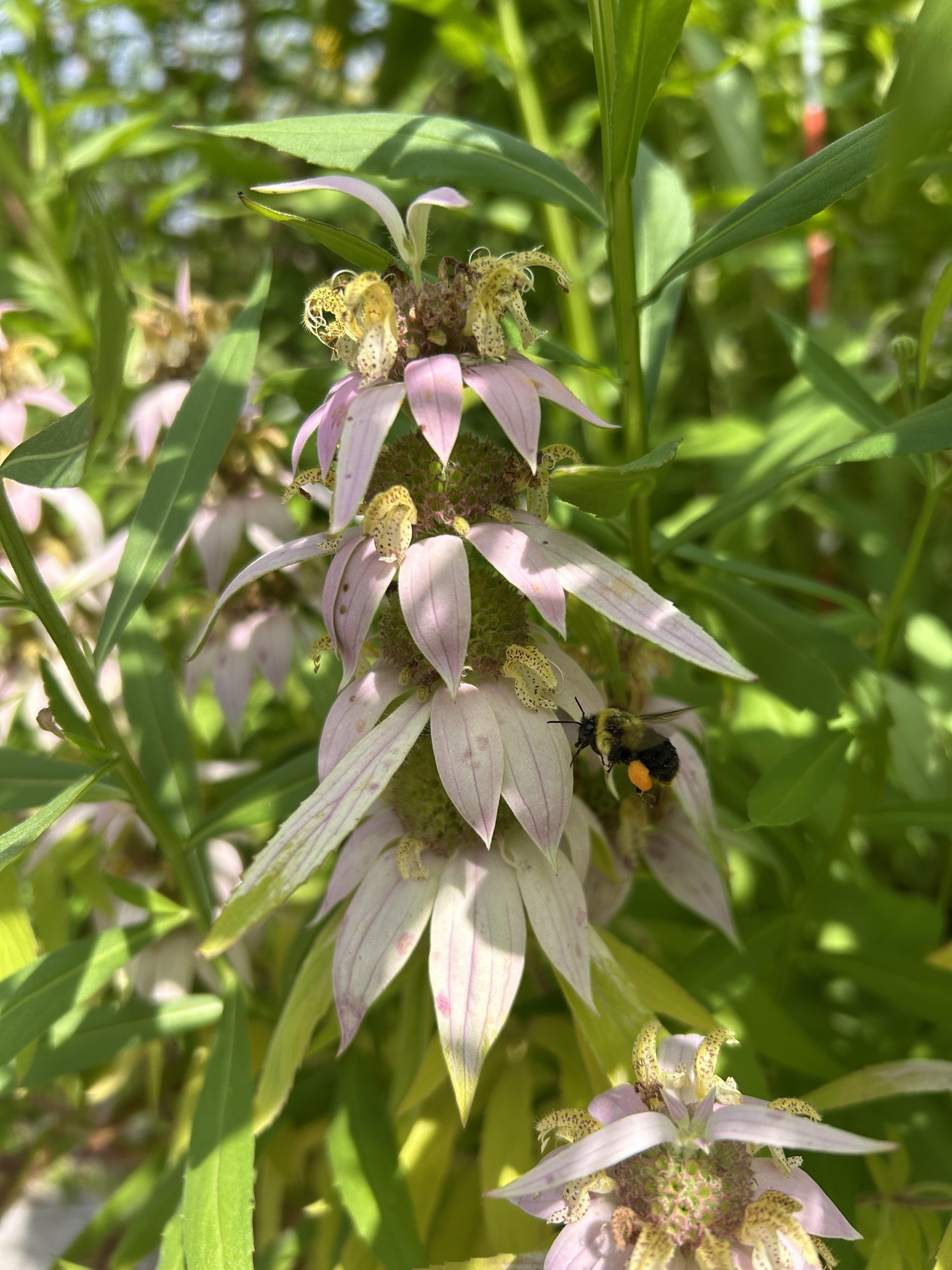
The temperature is falling, winds are changing, and school is back in session: autumn is officially on its way. Looking back on the summer months, let's recap some of the big changes our little Pollination Station has seen. Early bloomers like Wild Blue Phlox and Golden Ragwort took hold in May and June adding bursts of beautiful color to our garden. Nodding Onion quickly followed, spread out in massive, bushy bunches. While many of the more delicate species, including Cardinal Flower, White Turtlehead, and Great Blue Lobelia didn't manage to return, the Clustered Mountain Mint and Spotted Bee Balm quietly grew in the shadows. Crowded under other more stalky pollinator species, they took root deep in the honeycomb shaped garden beds, sheltering from strong wind, harsh rain, and hot sun. It was reassuring to see how each continued to thrive despite the challenges of the season.
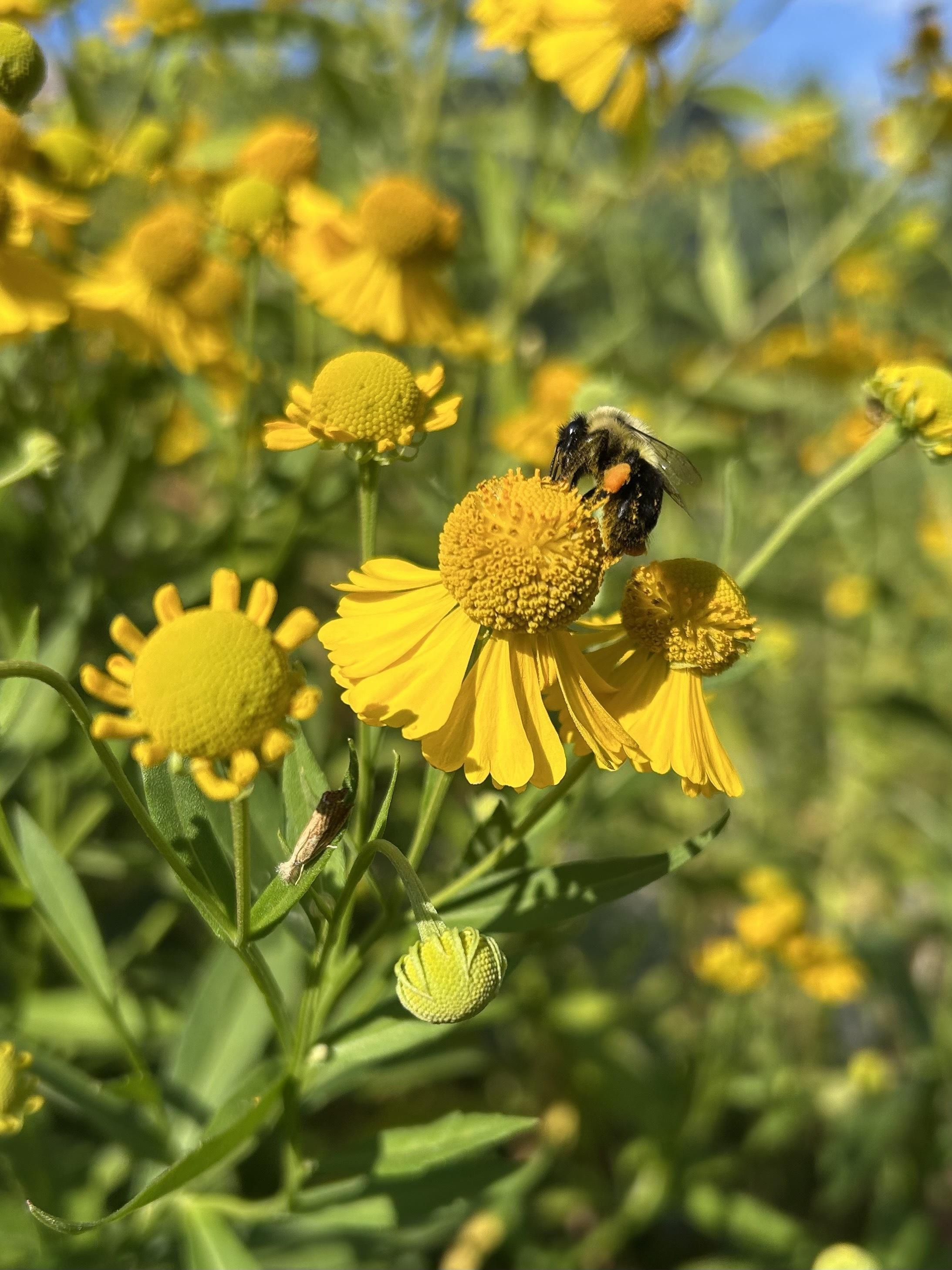
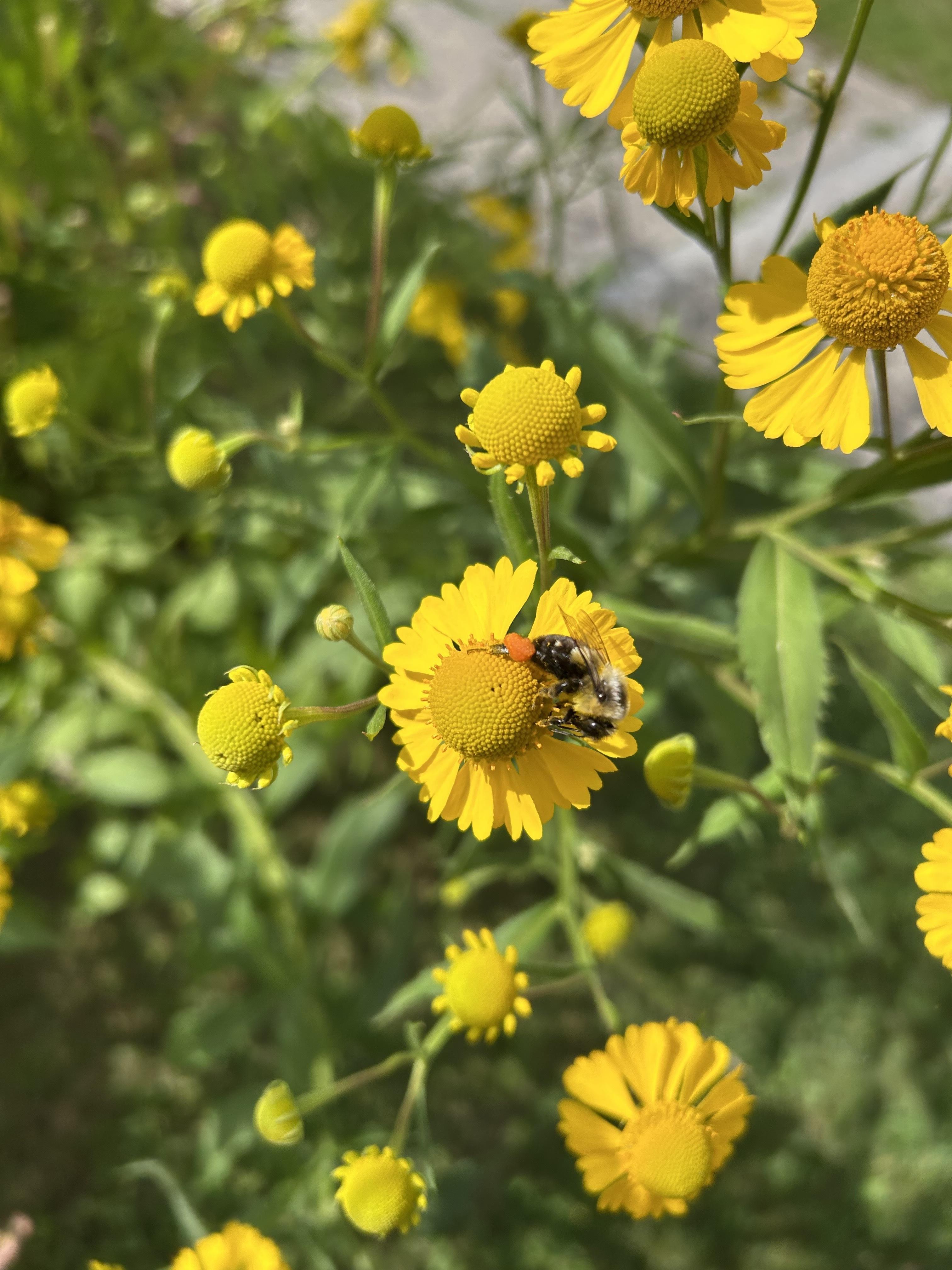
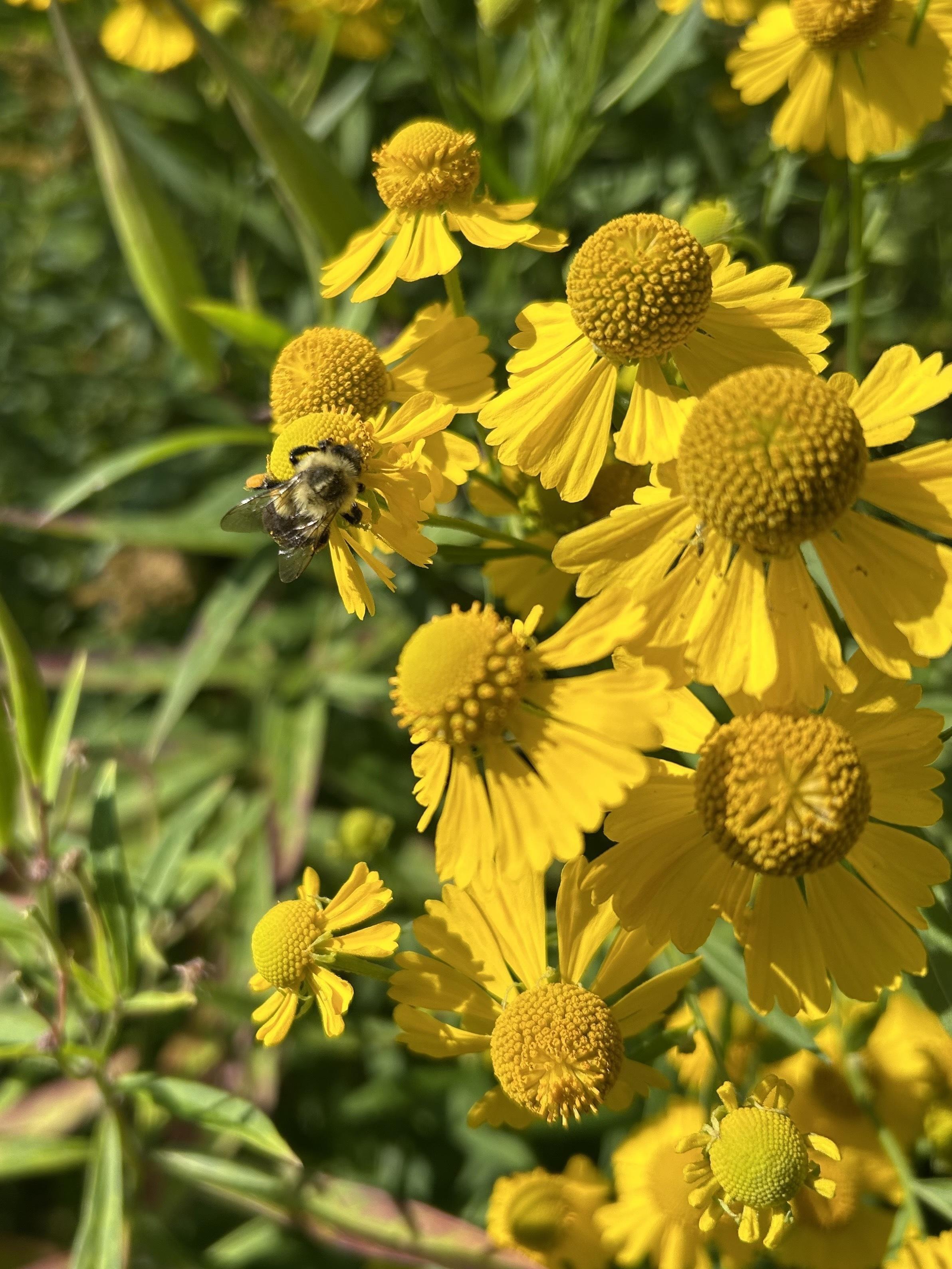
July brought with it more major growth. Pink petaled Swamp Milkweed and bright, feathery yellow cones of Goldenrod towered over all other the plants. Some even reached over 5 feet tall! And while they attracted the types of helpful pollinators our ecosystem requires, like moths, bees, beetles, flies, and butterflies, there were also a number of less-than-desirable insects who found their way into the Pollination Station. Spittlebugs latched onto some of the Helen’s Flower leaving sticky, frothy bubbles behind. Fortunately, the foam doesn't cause any real damage, so we left the bugs to bubble another day. We did, however, uproot armfuls of non-native plant species and other "volunteers" who likely blew in on the wind.
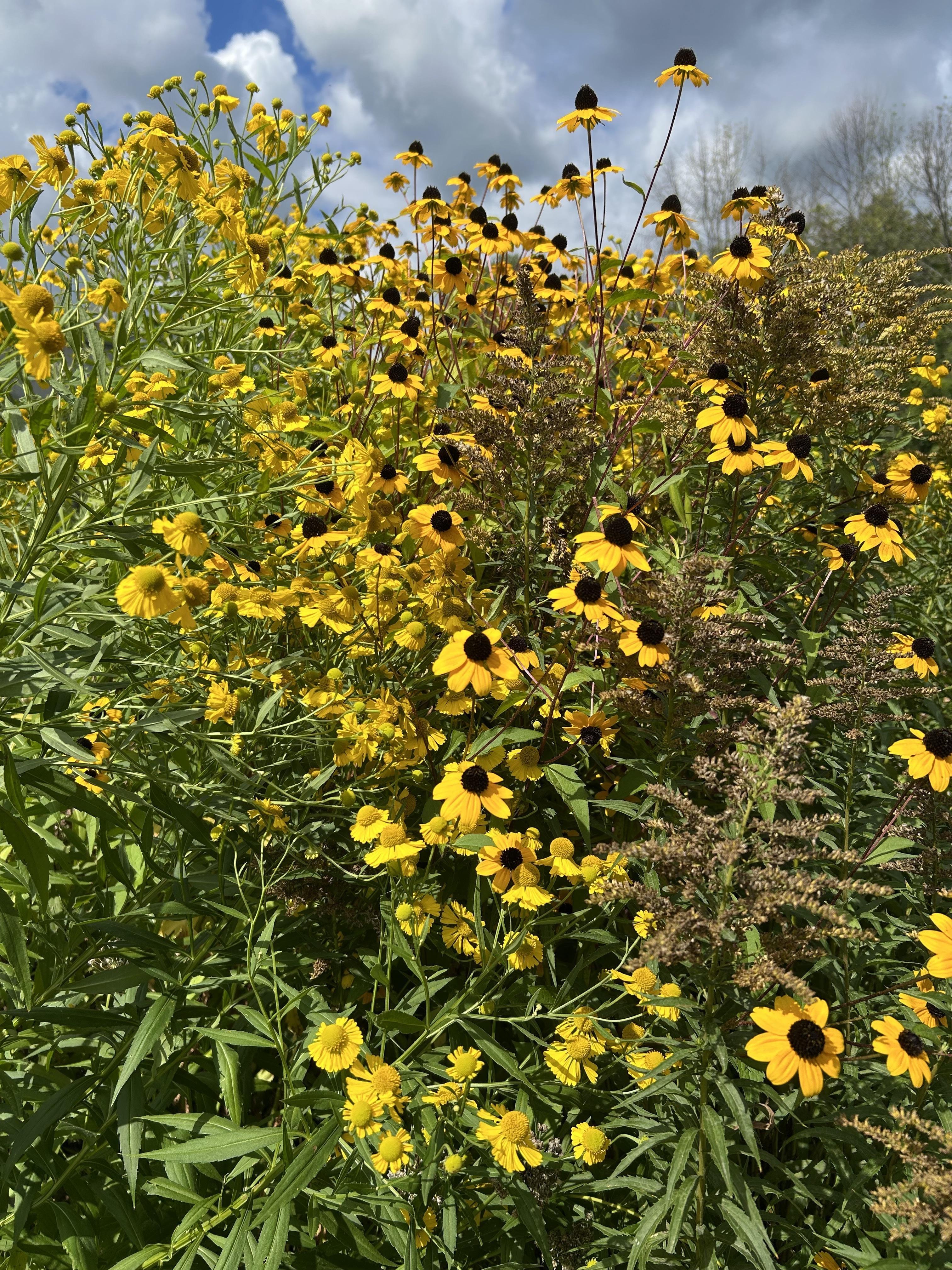
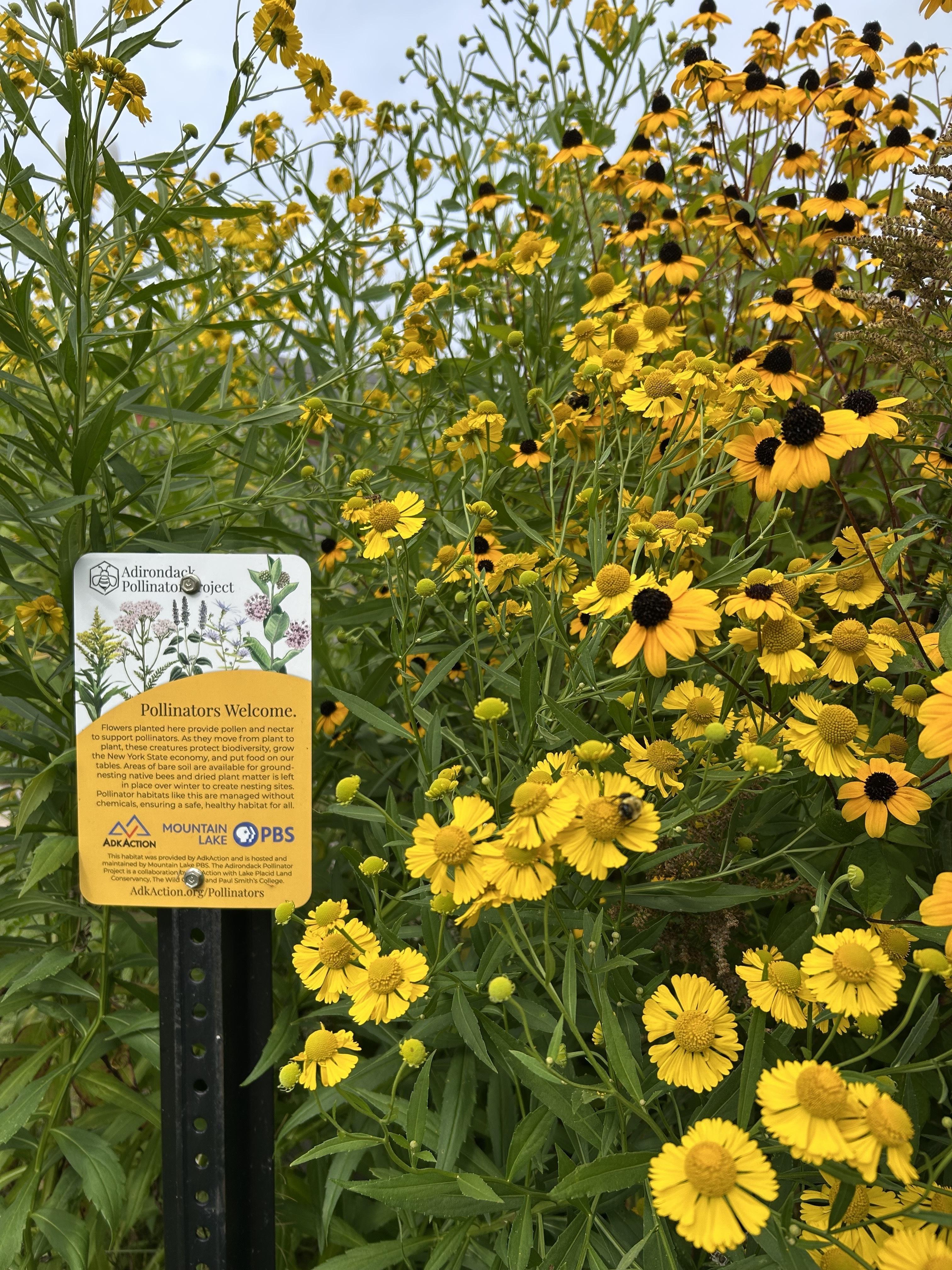
Racing through the dog days of summer, many of the colorful flowers and hearty stalks of the early and midsummer bloomers faded away. The Nodding Onion seed pods have burst open, spilling their contents across the lawn below. The Goldenrod's cones are all but dried out now, and usually long-lasting pink flowers of the Swamp Milkweed have come and gone. This has all made way for the late summer stars of the garden: closely-packed Brown-Eyed Susans and Helen’s Flower. Similar to this time last year, both species dominate the Pollination Station, erupting with waves of hardy and plentiful yellow flowers. We hope they cling on through the early fall as the world around them changes color; a reminder of the beautiful, sun-soaked days we leave behind.
Looking back on another fantastic summer, we feel fortunate that the garden remained so healthy and full of life. Not only did we see it provide local pollinators with the food they need, day after day, but this year there were no signs of aphids or invasive beetles. As the temperature continues to drop and the days get shorter, we’re excited to see what last surprises our garden has in store. The future colder weather forecast means the Pollination Station will go from providing food for our pollinators to shelter during the long winter months. Like last year, we plan to passively overwinter the garden, providing ground cover to animals and insects and giving them the best chance at survival. This means that once the first frost happens, we can let the garden become a winter habitat. No need to clear out dead brush or lay on manure. We’ll allow plants to decay naturally, leaving them mostly uncut. Fast forward to the springtime, we'll simply wait until the last frost has passed before clearing out any dead branches and leaves so that overwintering pollinators nesting there have a chance to wake up naturally.
Until then, let’s soak up the last bits of summer sun as autumn in the Adirondacks kicks off. We’ll be thinking of all the fun we had at the Pollination Station this year and hope you enjoyed our monthly updates too!
For a full season of Pollination Station updates, visit our Learn & Play blog and follow us on social media. Keep scrolling to learn more about what pollinator gardens are, how you can start your very own, and activities to encourage a passion for gardening and environmental stewardship in your family.
A pollinator garden features flowers that provide nectar or pollen to a variety of pollinating insects, like bees, butterflies and moths. Native flowering plants – ones that come from the geographic area a garden is in – are best, and pesticides and other chemicals should be avoided when caring for them. In the Adirondacks this could include bee balm, milkweed, white turtlehead, mountain mint, and phlox. These gardens are beautiful and can help attract birds and other wildlife too!
The Adirondack Pollinator Project
AdkAction’s Adirondack Pollinator Project helps promote the health of pollinators in our ecosystem, provides resources to become a pollinator advocate, and helps communities plant more local wildflowers to supply pollinators with the food sources they need to survive and thrive.
As part of the project’s Pollinator Garden Assistance Program, AdkAction has used their Mobile Pollinator Garden Trailer to plant community-scale pollinator gardens around the Adirondacks—including the one at Mountain Lake PBS! Each summer, their annual Adirondack Pollinator Festival offers opportunities to buy native plants for your own garden and includes free kid's activities, conservation workshops, and more.
Activities, Books & More
Grades pre k-3
Pollinator Pathway Game
In this all-new Nature Cat game, collect nectar for pollinators like bumblebees and butterflies to help them get the energy they need! Learn some nature-tastic facts all about pollinators and the big part they play in our environment along the way.
Pollination and Community Action: Middle Schoolers Build a Pollinator Garden | Mountain Lake Journal
A group of middle school students in the Adirondacks get their hands dirty building a pollinator garden on school property. Follow along as the students learn about the importance of pollinators, pollinator plants, and community action.
Join Chris and Martin as they explore the process of pollination and learn the important partnership between plants and animals. Watch these video clips to see how the Kratt brothers uncover the amazing delivery system of plants and their animal partners.
This Vibrating Bumblebee Unlocks a Flower’s Hidden Treasure | Deep Look
Most flowering plants are more than willing to spread their pollen around. But some flowers hold out for just the right partner. Bumblebees and other buzz pollinators know just how to handle these stubborn flowers. They vibrate the blooms, shaking them until they give up the nutritious pollen.