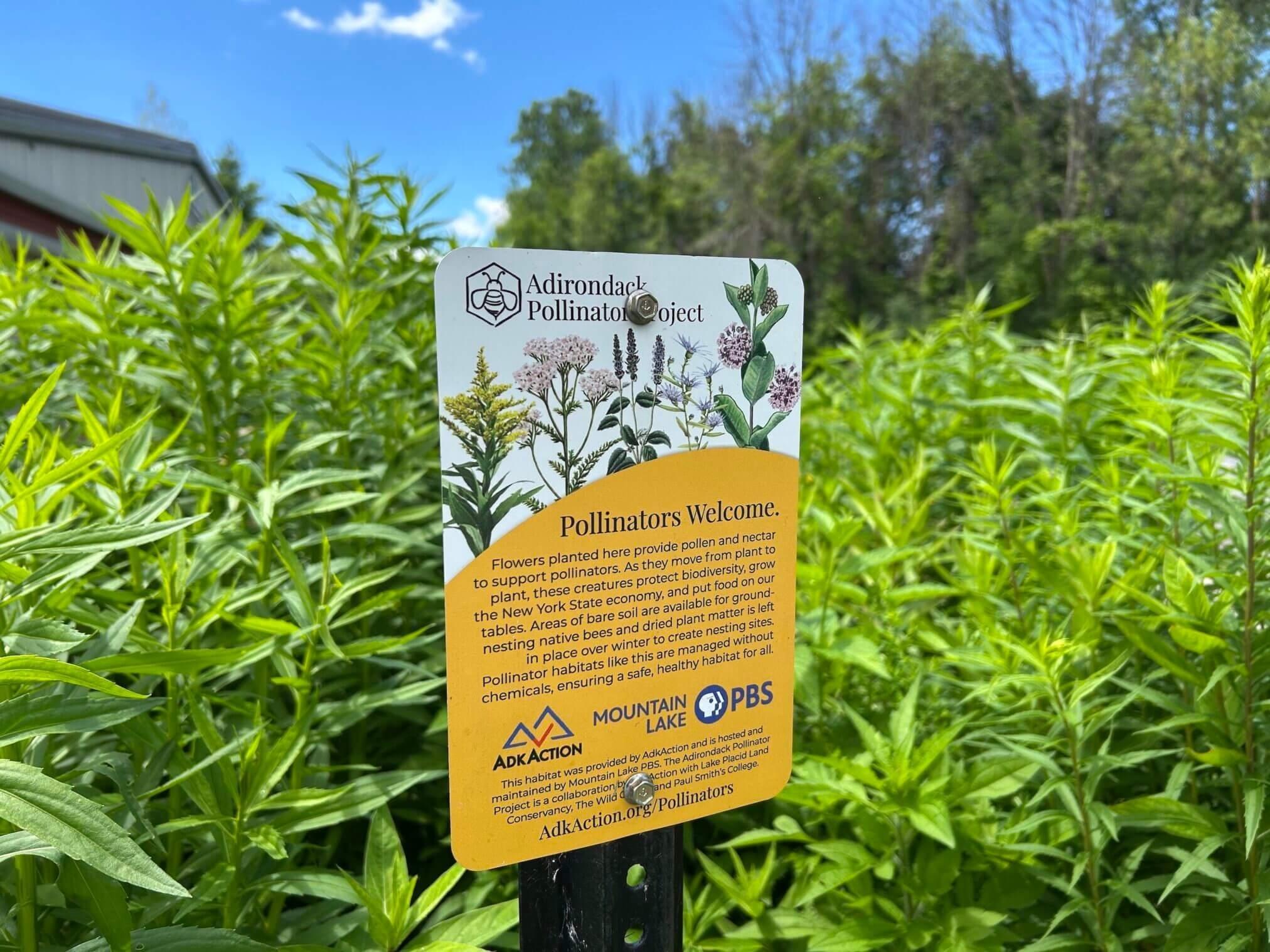
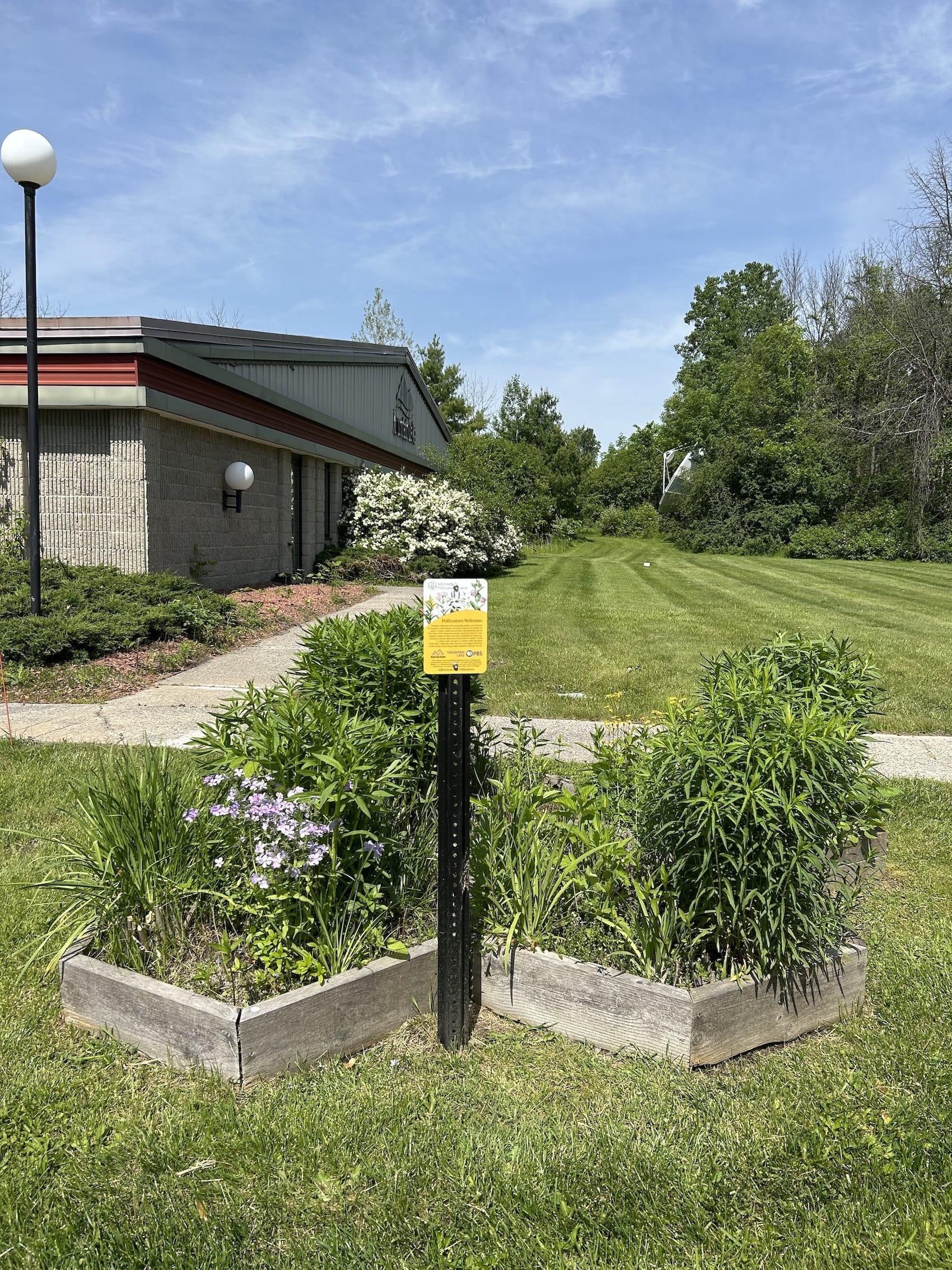
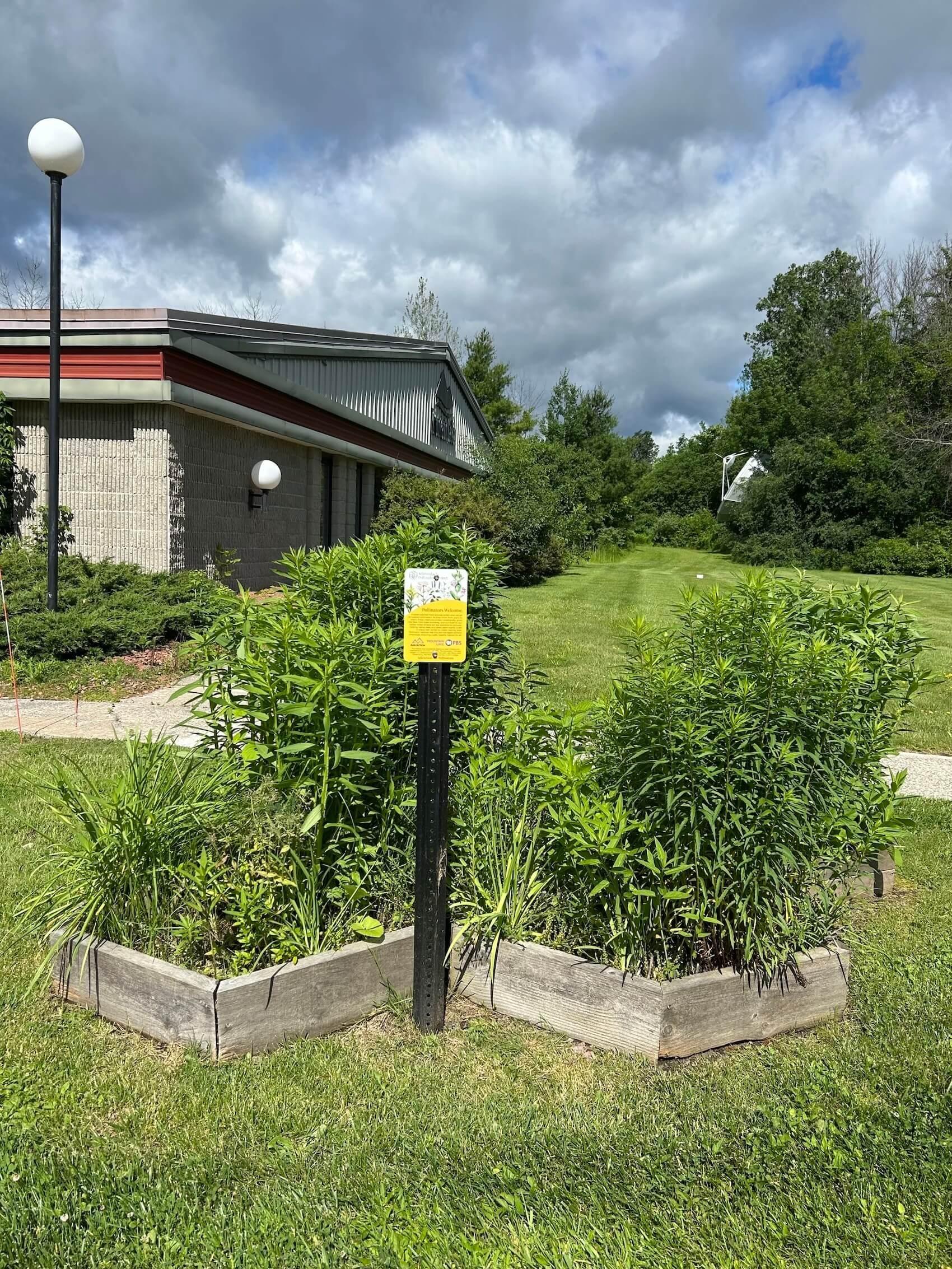
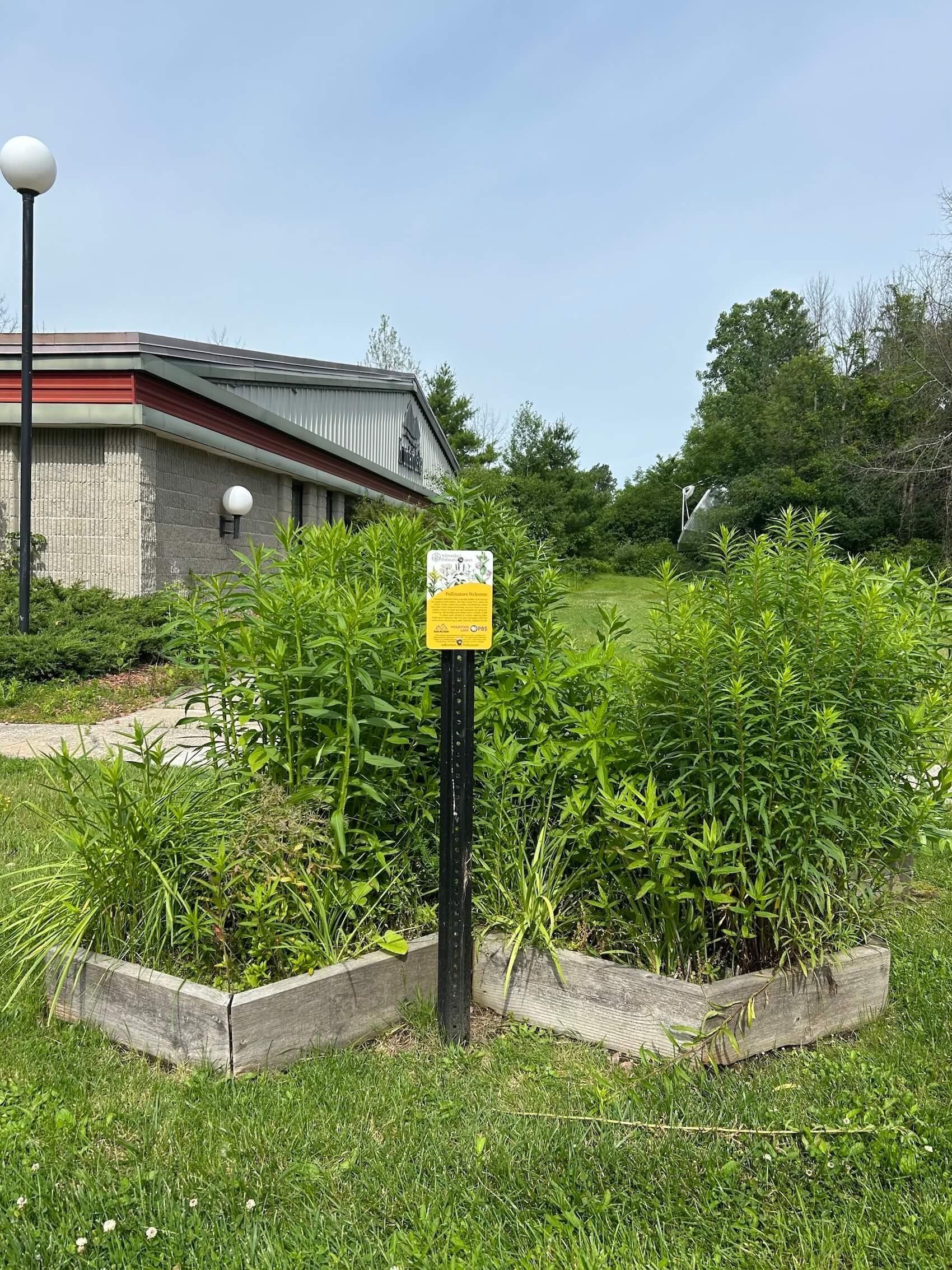
The Mountain Lake PBS Pollination Station is back and blooming in its sixth year on the lawn of 1 Sesame Street—our home base in Plattsburgh, NY.
Each year we tend our garden with love and care, proudly acting as pollinator advocates in our community. The Pollination Station’s four honeycomb shaped garden beds are jam-packed with pollinator-friendly plants, providing food in the summer and shelter during winter for butterflies, birds, and bees.
Check Out How the Garden Has Grown!
1 / 3
Share This Gallery
June 4th
2 / 3
Share This Gallery
June 15th
3 / 3
Share This Gallery
June 22nd
May is gone, the Solstice has passed, and the clock is running out on June. Even if some days the chilly weather doesn’t make it feel like summer, the season is officially ramping up and our Pollination Station continues to grow, change and evolve right before our eyes. Hearty weeding is a frequent necessity, but summer’s constant rain means extra watering can be occasional. So far we’ve spotted moths, bees, and flies all buzzing around the garden — with the hope that butterflies won’t be far behind.
If you visited the Pollination Station in the past couple weeks you’ll have noticed that the early blooms of Wild Blue Phlox and Golden Ragwort have faded away. Now, waves of towering green stalks dominate each garden bed – some are over four feet tall already! Patches of Swamp Milkweed are beginning to bud, ready to break through with flashy pink petaled flowers for Monarch butterflies to enjoy. Helen’s Flower, which has become one of the most prolific native species in the garden, are densely packed together. So far, there’s only a few sparing tiny yellow flowers beginning to creep up from under their dense canopy of leaves but we expect a massive rush of late-summer blooms alongside the Brown-Eyed Susans.
The Nodding Onions are more shaggy than ever, spilling out in large bunches. Delicate Spotted Bee Balm is also making a return, staying close to the soil and enjoying the shade of neighboring plants to keep it from being burnt up by the sun. Cardinal Flower, White Turtlehead, and Clustered Mountain Mint have not made their appearances quite yet. Given how tough it was for each to re-establish themselves last year, it might mean there’s empty patches ready for new native pollinator species to be planted. It’s sad to see some of our favorite plants go, but the opportunity to diversify and try new things in the garden is always exciting! On the flip side, one tiny, enthusiastic shoot of Great Blue Lobelia returned at the end of last summer and it would be great to see it come back, adding a welcome splash of graceful blue flowers to the colorful mix of garden blooms.
A few unwanted visitors have also shown up: the spittlebug and a creeping yet-to-be identified vine. Fortunately, the sticky, frothy bubbles that spittlebugs leave might look unattractive but they won’t cause much damage. A quick spray with soapy water should help keep them at bay. And as for the climbing vine, we’re making constant trips to the garden to clear it out one wispy strand at a time.
With early summer practically wrapped up, we’re focusing our imaginations on what July and August will bring. Hot days and lots more rain are on the horizon and the garden is sure to see more big changes in the weeks to come. Here’s hoping the closely-packed Brown-Eyed Susans and Helen’s Flower will erupt with tiny, yellow flowers and the Goldenrod—which spread like wildfire last year—becomes hardy and plentiful again. We’ll also keep our eyes out for any slugs, butterflies, egg clusters, or aphids; all of which we’ve found in the garden over the past several years.
No matter what the season holds, we’re buzzing with anticipation as our plants continue to grow and we look forward to more flying, hopping, and walking visitors! Be sure to check back in for more updates on the Pollination Station with our Learn & Play blog and on social media.
In the meantime, keep scrolling to learn more about what pollinator gardens are, how you can start your very own, and activities to encourage a passion for gardening and environmental stewardship in your family.
A pollinator garden features flowers that provide nectar or pollen to a variety of pollinating insects, like bees, butterflies and moths. Native flowering plants – ones that come from the geographic area a garden is in – are best, and pesticides and other chemicals should be avoided when caring for them. In the Adirondacks this could include bee balm, milkweed, white turtlehead, mountain mint, and phlox. These gardens are beautiful and can help attract birds and other wildlife too!
The Adirondack Pollinator Project
AdkAction’s Adirondack Pollinator Project helps promote the health of pollinators in our ecosystem, provides resources to become a pollinator advocate, and helps communities plant more local wildflowers to supply pollinators with the food sources they need to survive and thrive.
As part of the project’s Pollinator Garden Assistance Program, AdkAction has used their Mobile Pollinator Garden Trailer to plant community-scale pollinator gardens around the Adirondacks—including the one at Mountain Lake PBS! Each summer, their annual Adirondack Pollinator Festival offers opportunities to buy native plants for your own garden and includes free kid's activities, conservation workshops, and more.
Activities, Books & More
Grades Pre K-3
Pollinator Pathway Game
In this all-new Nature Cat game, collect nectar for pollinators like bumblebees and butterflies to help them get the energy they need! Learn some nature-tastic facts all about pollinators and the big part they play in our environment along the way.
Join Chris and Martin as they explore the process of pollination and learn the important partnership between plants and animals. Watch these video clips to see how the Kratt brothers uncover the amazing delivery system of plants and their animal partners.
Pollination and Community Action: Middle Schoolers Build a Pollinator Garden | Mountain Lake Journal
A group of middle school students in the Adirondacks get their hands dirty building a pollinator garden on school property. Follow along as the students learn about the importance of pollinators, pollinator plants, and community action.
This Vibrating Bumblebee Unlocks a Flower’s Hidden Treasure | Deep Look
Most flowering plants are more than willing to spread their pollen around. But some flowers hold out for just the right partner. Bumblebees and other buzz pollinators know just how to handle these stubborn flowers. They vibrate the blooms, shaking them until they give up the nutritious pollen.