

Learn About Diverse Cultures & Histories on Indigenous Peoples’ Day

Email share

Indigenous Peoples’ Day, observed across the United States on the second Monday in October, falls on October 12th this year. The holiday offers an opportunity to celebrate and learn about the rich and diverse cultures, languages, and histories of Indigenous peoples across North America, while acknowledging the losses suffered through disease, warfare, and forced assimilation stemming from the colonization of North America by Europeans.

In that same spirit, we acknowledge and honor the Haudenosaunee peoples, specifically the Kanien’keha:ka, or Mohawk tribe, on who’s ancestral land we in the North Country live, and the local communities of Ganienkeh, Akwesasne, Kahnawake, and Kanesatake in both the US and neighboring areas of Canada.

Continue below for videos, activities and more to support family and classroom learning this Indigenous Peoples’ Day and beyond!

Jump to article sections:

Learn About Native American History & Culture

Grades Pre K-3

Sesame Street: The Clutes | Celebrating Family Stories

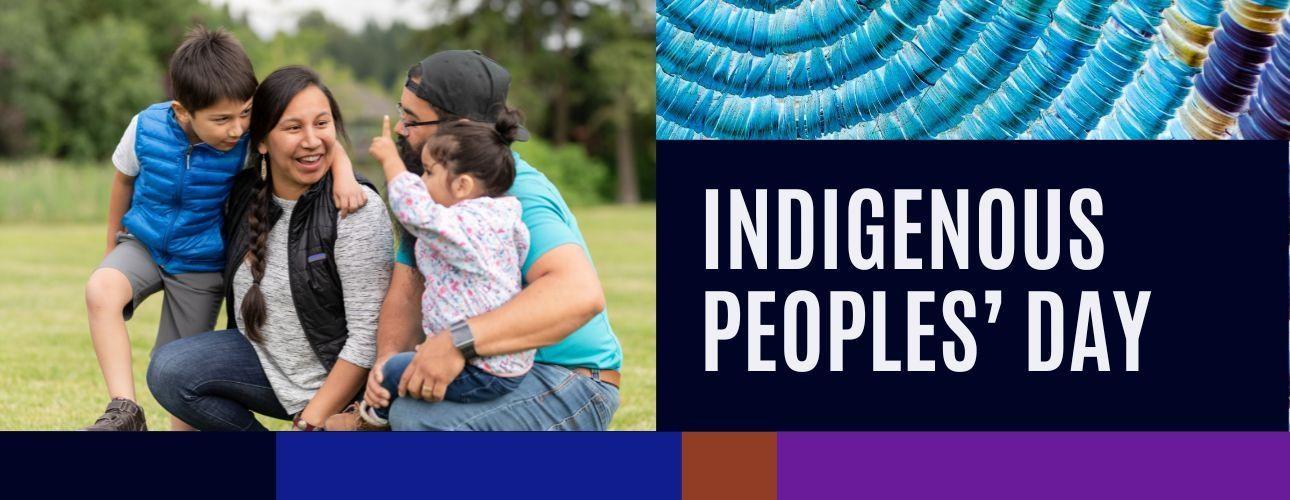
The Clutes, a family from the Akwesasne territory in northern New York, welcome us into their home to share the language and traditions of their Mohawk culture and community. Spend time with the Clutes as they celebrate their family story by honoring the beauty of their Indigenous identity as well as explore the honest history of being among the first people in a region now known as New York State.

Grades 3-12

Indigenous Stories Collection

Indigenous Stories are short features on the Indigenous peoples of the Prairie Region. Explore the arts, culture, and history detailed by the individuals who call this region home. This collection contains stories about an Indigenous-owned and operated museum, a sculptor, a thrilling drum and bass trio, and more.

Grades K-2

Molly of Denali Collection

Informational text and Alaska Native culture form the basis of the groundbreaking Molly of Denali series and its educational resources. The Molly of Denali collection on PBS LearningMedia offers videos, digital games, lessons, teaching tips, and activities so that educators can utilize the series in the classroom.

Grades 6-12

Native America Collection

Native America reaches back 15,000 years, examining ancient city planning and early systems of science and spirituality and extends to present-day exploration of Indigenous knowledge and language preservation. This collection includes all four episodes of Native America season 1 in full, stand-alone video clips from season 2, discussion questions, hands-on activities and more.

Grades K-12

Native Americans | History of the United States and New York

History of the United States and New York is a collection of resources designed to complement the New York State Social Studies Framework for Grades 4, 7, and 8. Aligned with the key ideas for each grade level as outlined in the Framework, topics in the collection contain videos and support materials you can use to bring history to life for your students. The Native Americans sub-collection features resources that explore the diverse ecosystem Henry Hudson encountered when he arrived at Mannahatta, how the U.S. Constitution was inspired by Indigenous people, the cultural importance of parables, and more.

Native American Leaders & Visionaries

Grades 6-12

Susan La Flesche Picotte | Unladylike2020

Susan La Flesche Picotte lived on the Nebraska frontier during a time of violent change, growing up on the Omaha Reservation against the backdrop of the Dawes Act of 1887 which sought to force indigenous tribes onto reservations and foster their assimilation into white society. As a child, La Flesche Picotte watched an Indian woman die because the white doctor never showed up: “It was only an Indian and it did not matter.” So she became a doctor herself, breaking through barriers of gender and race as the first American Indian physician and the first to found a private hospital on an American Indian reservation. Learn more about Susan La Flesche Picotte with this video from Unladylike2020.

Grades 6-12

How Native Women Are Revolutionizing Film Narratives | Sovereign Innovations

In this episode, host Cheyenne Bearfoot takes us on a journey celebrating the power, stories, and brilliance of Indigenous women in film including Lilly Gladstone, Erica Tremblay, Sierra Teller Ornelas, Princess Daazhraii Johnson, and Miciana Hutcherson. From challenging stereotypes to reclaiming narratives, Indigenous women are reshaping the landscape of cinema.

Grades 6-12

N. Scott Momaday | American Masters

Examine the enigmatic life and mind of National Medal of Arts-winner Navarro Scott Momaday, the Kiowa novelist, short-story writer, essayist and poet. His Pulitzer Prize-winning novel “House Made of Dawn” led to the breakthrough of Native American literature into the mainstream. Although his heritage is a central theme, Momaday’s work asks universal questions: what are our origins and how do we connect to them through our collective memories? This collection from the AMERICAN MASTERS film, Words from a Bear: N. Scott Momaday, illuminates how he grappled with these questions, his identity and the challenges of being a Native American artist in today’s world.

Grades 9-12

Nanye’hi and the Power of Oral History | Finding Your Roots

Learn the story of Nanye’hi, a beloved figure in Cherokee history–celebrated as both a warrior and a stateswoman. Nanye’hi held a powerful political role within her tribe, and eventually led negotiations with the U.S. government in the hopes of retaining her people’s land. Throughout her life, she worked towards peace between her people and the United States.

Activities, Books & More

Grades Pre K-3

8 Children’s Books to Celebrate Native Heritage

For centuries, Indigenous Peoples have been intentionally silenced and invisibilized; their stories stolen and hidden. It is more important than ever to read books written by and about Indigenous Peoples highlighting their heritage, cultural pride, and strength. Here are eight #OwnVoices books to honor and celebrate Native heritage not only this month, but year-round!

Grades 3-8

Lesson Plan: Iroquois or Haudenosaunee? | Native America in Upstate New York

In this video, Onondaga storyteller Perry Ground speaks to students at Gowana Middle School in Clifton Park, New York about the introduction of language into meaning and purpose of others’ identities, particularly, the name Iroquois. The people who lived on this land before colonization call themselves the Haudenosaunee. What is in the name, and how can we learn a bit more about a community through the names given to the schools and streets?

Grades Pre K-3

Create a Yup’ik Dance Fan

Molly learns the Seal Dance when she visits a new friend. The Seal Dance is a traditional song and dance performed by Unangax Alaska Native people. Explore a different Alaska Native dance tradition with your child by making a Yup’ik dance fan.

Grades 3-12

An Ancestral Art: Wampum | Spotlight

Step into the rich tapestry of Indigenous culture and history by way of an interview with Iroquois artisan, Ken Maracle. Learn about the cultural and historical significance of wampum, a traditional art form of the Indigenous peoples of the Northeastern region of the United States. Wampum bead pieces are used as a memory aid in the retelling of oral traditions, as well as to symbolize one’s social status and formalize cooperative alliances. After watching the video, students can get involved with three hands-on and research based activities: “The Art of Beading”, “The Many Meanings of Wampum” and “Beading Coloring” activity sheets.

Grades K-5

Design a Poster to Honor the Indigenous Lands You Live On

Land Acknowledgements have become more widespread in recent years in schools, conferences, and buildings. They are a great way to honor tribes and how they have taken care of the land through the present day. Have you ever wondered about the Indigenous lands you live on? Spend some time as a family discovering the history and culture of the tribes who cultivated the lands you live on and design a poster to honor them.

Local & Statewide Native American Cultural Organizations

Akwesasne Cultural Center

The Akwesasne Library and Cultural Center is a public library and museum that serves the people of Akwesasne, the surrounding communities and the visiting public by providing access to educational and cultural resources. Located in the heart of Akwesasne, the center provides a positive space for educational purposes and is one of the cultural hubs of the community.

The Iroquois Museum

The Iroquois Museum is an educational institution dedicated to fostering understanding of Iroquois culture using Iroquois art as a window to that culture. The Museum is a venue for promoting Iroquois art and artists, and a meeting place for all peoples to celebrate Iroquois culture and diversity. As an anthropological institution, it is informed by research on archaeology, history, and the common creative spirit of modern artists and craftspeople.

The Six Nations Iroquois Cultural Center

The Six Nations Iroquois Cultural Center, located in the Northeastern Adirondack Mountains, provides for the viewing of 3000-plus artifacts with an emphasis on the culture of the Six Nations of the Iroquois Confederacy (Haudenosaunee): Mohawk, Oneida, Onondaga, Cayuga, Seneca and Tuscarora. The museum features story telling lectures and creates educational experiences so that visitors, teachers and students may acquire the knowledge needed to better understand the history, culture, contemporary realities, and the potential futures of Native Nations.

The New York State Museum

The New York State Museum, which explores and expresses New York State’s significant natural and cultural diversity, both past and present, features the ongoing exhibition, First Peoples. Indigenous people (Native Americans) have lived in what is now New York for at least 13,000 years. Learn about the long and continuous presence of Indigenous people, from the Ice Age to the present through contemporary artwork, dioramas, and archaeology artifacts, as well as a life-size reconstructed longhouse.

The Seneca Art & Culture Center

The Seneca Art & Culture Center is a year-round interpretive facility at Ganondagan, the original site of a 17th century Seneca town that existed there peacefully more than 350 years ago. The center tells the story of the Seneca and Haudenosaunee (Iroquois) contributions to art, culture and society for more than 2,000 years to the present day. Designed to fit into the natural landscape, the center features an interactive, multi-media Exhibit Gallery, including a changing exhibit space, Orientation Theater, auditorium, and gift shop.

Don’t miss locally curated learning tips, activities, and family-friendly events from across the region—direct to your inbox each week—by signing up for the Learn & Play newsletter.